What Are Resistant Starches?

What’s a resistant starch and what is it resisting?

 What Are Resistant Starches?
Don’t feel bad if you’ve never heard of resistant starches. Although they’ve always been around, they haven’t gotten a lot of attention until recently. Lately, we’ve been learning more about the potential health benefits of resistant starches. In particular, they may be helpful for diabetics, those who are watching their weight, and those who suffer from constipation.
But the people with the most to gain from resistant starches may be food processors and manufacturers. They have latched onto resistant starches in a big way because it gives them something new to sell to diabetics, those who are watching their weight, and those who suffer from constipation.
Of course, you can also get resistant starches in regular foods—if you know where to find them.
What Are Starches?
Before I go any further, let’s back up and talk for a second about regular, old non-resistant starch. There are three main types of carbohydrates: sugars, starches, and fiber. I’ve talked quite a bit about sugar and fiber before but I’ve never talked too much about starch.
Starches are nothing more than long chains of glucose (or, sugar) molecules glued together with a special type of chemical bond called a covalent bond. When you eat a starchy food, such as a potato or a bowl of oatmeal, enzymes called amylases break these covalent bonds. When that happens, large starch molecules turn into lots of tiny sugar molecules, which are then absorbed into the bloodstream. That’s how starches are digested.
A Starch Experiment
One day, when I was in fifth grade, our science teacher handed out some unsalted saltines and told us to chew them up but not to swallow them—just to keep chewing. Maybe you remember doing this too. After you chew them for a while, the saltines start tasting sweet. That’s because your saliva contains amylase. When you chew a saltine for long enough, the conversion of starch molecules into sugar molecules happens right there in your mouth!
Resistant starches don’t break down into sugar and so they pass largely undigested into the large intestine instead of being absorbed in the bloodsteam.
A resistant starch is a starch that resists this enzymatic action and doesn’t break down into sugar molecules. For example, raw cornstarch contains a fair amount of resistant starch. If you were to put some in your mouth and chew on it, it wouldn’t start to taste sweet no matter how long you chewed it.
Because they don’t break down into sugar, resistant starches aren’t absorbed into the bloodstream. Instead, they pass largely undigested into the large intestine.
What Are the Benefits of Resistant Starches?
Now that you understand what a resistant starch is, let’s talk about what they can do for you.
-
Improve bowel function. Resistant starches act a lot like fiber, which I talked about in episode #2. As with fiber, adding resistant starch to your diet can improve regularity and bowel function. Some people find that when they up their fiber intake, especially if they do it suddenly, they have bloating, gas pains, and other effects usually lumped together under the heading of “GI distress.” One nice thing about resistant starch is that it doesn’t have this unwelcome side effect.
-
Appetite Control. Another fiber-like benefit of resistant starch is that it appears to help with appetite control, helping you feel fuller, longer, even when you are eating fewer calories
-
Regulate blood sugar. When you include resistant starches in a meal, it slows down the absorption of sugars from other foods. That means that you get a more gradual rise and fall in blood sugar levels after eating. That’s particularly helpful for diabetics, who need to keep their blood sugar levels steady. But the blood sugar roller coaster isn’t a ride you want to be on, even if you’re not diabetic. I discussed why in episode #32,
-
Reduce calories. Foods containing a lot of resistant starches are somewhat lower in calories than other carbohydrates because at least some of the food energy stays locked up in the resistant starch and doesn’t get digested and absorbed.
What Foods Contain Resistant Starches?
Resistant starches are found in dried beans, bananas and mangos (especially under-ripe ones), and starchy foods like potatoes, rice, and pasta that have been cooked and then cooled. Something about the cooking and cooling process converts starches into resistant starches. So, for example, a cold pasta or potato salad will contain more resistant starch than freshly cooked pasta or a baked potato.
Sourdough bread is higher in resistant starch than bread made with regular yeast. Something about the fermentation process that creates sourdough appears to alter some of the starches. The end result is that sourdough bread doesn’t create as quick an increase in blood sugar as regular bread. Cool, huh? I recently wrote about the health benefits of sourdough on my Nutrition Data Blog. I’ll include a link in the show notes.
Resistant Starch is Not a Ticket to Overindulge
So, does this mean that you can eat all the carbs you want as long as they’re in the form of pasta salad and sourdough bread? Sorry. If you’re concerned about your calorie intake or your blood sugar response after meals, the most important thing is to limit the amount of pasta, bread, and other carbohydrates you eat. Choosing a slice of sourdough instead of regular bread might give you a slight additional advantage but the difference is incremental at best.
And if it’s the fiber-like action you’re most interested in, dried beans are the best natural source for resistant starches. But, of course, dried beans are also a great source of fiber, so you’ve kind of got that base covered already.
But not to worry. Food processors are working hard to make it easier for you to add more resistant starches to your diet. There are already a number of products for diabetics, including cereals, shakes, and snack bars, that use resistant starch to lower the carbohydrate count and blood sugar impact. And now, resistant starches are starting to show up in reduced-calorie foods, especially those being pitched at low-carb dieters. Resistant starch is often listed as “resistant cornstarch” or “modified cornstarch” in the ingredient list.
There’s also a flour replacement product called Hi-Maize, which is made from modified cornstarch. The idea is that you can replace some of the flour in your recipes with this product and end up with baked goods that are lower in digestible carbohydrates and calories—and have some extra fiber-like benefits as well.
How to Get the Benefits of Resistant Starch
 If all this sounds like something you’d like to try, here’s my quick and dirty tip for incorporating resistant starches into your diet: It’s fine to take advantage of the benefits of resistant starch, either by choosing foods that are naturally higher in resistant starches or by substituting some of these new products for regular carbohydrate foods or ingredients.
Just make sure that most of your diet still consists of wholesome and minimally processed foods like fruits, vegetables, nuts, protein sources and so on. A cookie made with resistant starch can help you save a few calories and reduce your carbohydrate load—but it doesn’t turn cookies into health foods.
Post your comments and questions on my Nutrition Diva Facebook page, tweet to me on Twitter, or email me at nutrition@quickanddirtytips.com.
Have a great day and eat something good for me!
Resources
Resistant starch and bowel health
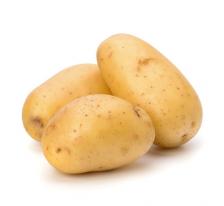
Potatoes image courtest of Shutterstock
About the Author

Monica Reinagel is a board-certified licensed nutritionist, author, and the creator of one of iTunes’ most highly ranked health and fitness podcasts. Her advice is regularly featured on the TODAY show, Dr. Oz, NPR, and in the nation’s leading newspapers, magazines, and websites. Do you have a nutrition question? Call the Nutrition Diva listener line at 443-961-6206. Your question could be featured on the show.